Introduction: A Major Shift in Employee Protection
Starting June 2026, Malaysia will introduce LINDUNG 24 Jam, a new social protection initiative that expands employee coverage beyond the workplace.
This is not a minor policy update.
It changes how employee protection is structured — from workplace-only coverage to 24-hour protection.
For employers and HR teams, this introduces new payroll responsibilities, compliance requirements, and employee communication challenges.
Failure to prepare early may result in:
- Incorrect payroll deductions
- Employee misunderstanding of coverage
- Compliance gaps in statutory contributions
This guide explains everything employers need to know.
What Is LINDUNG 24 Jam?
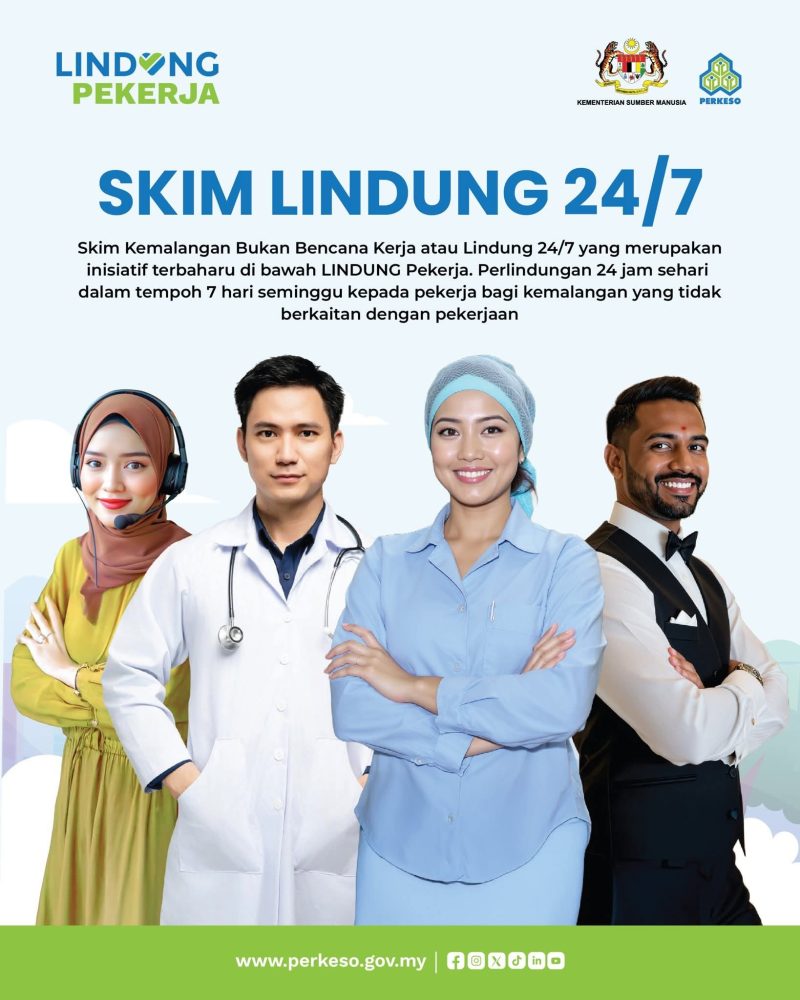
LINDUNG 24 Jam is a PERKESO-linked protection scheme that provides continuous 24-hour accident coverage to employees.
Unlike traditional SOCSO protection, which focuses on employment-related injuries, this scheme extends protection to non-work-related accidents.
Key Principle
Employees are protected:
- During working hours
- Outside working hours
- During personal time
As long as the incident qualifies as an accident under the scheme.
Key Features of LINDUNG 24 Jam
The introduction of this scheme enhances employee welfare while increasing employer administrative responsibility.
Coverage Scope
- 24-hour accident protection
- Coverage for non-employment injuries
- Medical cost support through PERKESO
- Continuous protection throughout employment
Important Clarification
This is accident-based protection only.
It does not cover illnesses or medical conditions.
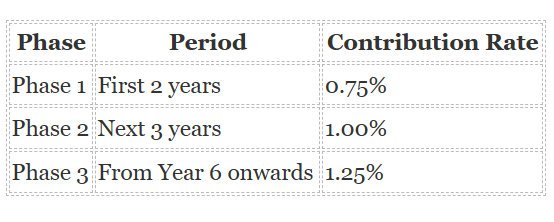
Contribution Structure (Employee-Paid)
A key compliance point for employers:
Contributions are fully borne by employees, but must be managed by employers through payroll.
Phased Contribution Rates
Employer Responsibility
Employers must:
- Deduct contributions from employee salary
- Ensure accurate payroll processing
- Remit payments according to statutory requirements
This makes payroll accuracy critical.
What Qualifies as a Non-Employment Injury?
Understanding this definition is essential for HR.
A non-employment injury refers to:
Any personal injury caused by an accident that does not arise out of or in the course of employment.
Examples
- Accidents during personal travel
- Injuries during non-work activities
- Incidents outside working hours
Exclusions: What Is Not Covered
Employers must communicate this clearly to avoid disputes.
The scheme does not cover:
- Accidents occurring outside Malaysia
- Foreign workers breaching immigration conditions
- Self-inflicted or non-accidental incidents
- Domestic-related injuries
- Illnesses such as:
- Diabetes
- Hypertension
- Fever
HR Risk
Miscommunication here may lead to:
- Employee complaints
- Misaligned expectations
- Disputes over claims
Effective Date: When Does It Start?
Official implementation: June 2026
There is no indication of extended grace periods.
Employers should begin preparation immediately.
Read more info: Skim Kemalangan Bencana Bukan Pekerjaan (LINDUNG 24 JAM)
Employer & HR Responsibilities (Critical Section)
This is where most compliance risks occur.
1. Update Payroll Systems
Ensure your payroll system can:
- Handle new contribution rates
- Apply correct employee deductions
- Reflect statutory changes accurately
2. Educate Employees
Employees may assume:
- “All injuries are covered”
This is incorrect.
HR must clearly explain:
- Coverage scope
- Exclusions
- Claim expectations
3. Review HR Policies
Update internal documentation:
- Employee handbook
- Benefits structure
- Insurance communication
4. Prepare Internal FAQ
Common employee questions will include:
- Am I covered outside working hours?
- What happens if I travel overseas?
- What type of accidents are claimable?
Proactive communication reduces confusion.
Key Compliance Risks for Employers
Employers should be aware of the following risks:
- Incorrect payroll deductions
- Failure to implement contribution updates
- Lack of employee communication
- Misalignment between policy and actual coverage
These issues can lead to:
- Payroll disputes
- Compliance exposure
- Employee dissatisfaction
Why Payroll Systems Matter for 2026 Compliance
Manual payroll handling increases the risk of:
- miscalculations
- missed updates
- inconsistent reporting
A structured HR system helps ensure:
- accurate statutory deductions
- compliance with new contribution rules
- centralised employee records
- audit-ready payroll data
How Pandahrms Supports Compliance
Pandahrms enables employers to:
- automate payroll deductions including new statutory schemes
- ensure accurate contribution calculations
- maintain centralised and compliant payroll records
- reduce manual errors and administrative workload
This is especially critical when new policies like LINDUNG 24 Jam are introduced.
FAQs: LINDUNG 24 Jam Malaysia
1. Is LINDUNG 24 Jam mandatory?
Yes, it is a mandatory scheme under the social protection framework.
2. Who pays for the contribution?
Employees bear the full contribution, but employers must manage deductions.
3. Does it cover illness?
No. Coverage is limited to accidents only.
4. Are employees covered outside working hours?
Yes, provided the incident qualifies as a non-employment injury.
5. What happens if payroll is not updated?
Employers may face compliance issues and incorrect deductions.
Conclusion: Prepare Early to Stay Compliant
LINDUNG 24 Jam introduces a new standard for employee protection in Malaysia.
For employers, this means:
- new payroll requirements
- stronger compliance obligations
- increased need for employee communication
Early preparation is essential to avoid operational and compliance risks.
Simplify Payroll Compliance with Pandahrms
Managing new statutory requirements manually increases risk and complexity.
Pandahrms helps organisations:
- automate payroll updates
- ensure statutory compliance
- reduce administrative burden
Book a 35-minute demo with Pandahrms to streamline your payroll and compliance processes.