EPF for Foreign Workers in Malaysia: Employer Contribution Rules (2025 Guide)
Foreign worker employment is common across many Malaysian industries such as manufacturing, construction, F&B, plantation, and logistics.
Starting 1 October 2025, employers must now include Employees Provident Fund (EPF / KWSP) contributions for eligible foreign workers as part of their payroll compliance obligations.
For HR departments and business owners, this change affects monthly payroll processing, workforce budgeting, and statutory compliance management.
This guide explains everything employers need to know about EPF contributions for foreign workers in Malaysia, including eligibility, contribution rates, payment deadlines, and compliance best practices.
Is EPF Mandatory for Foreign Workers in Malaysia?
Yes.
Effective 1 October 2025, employers are required to register and contribute EPF for eligible foreign employees working in Malaysia.
This requirement was introduced to extend basic retirement savings coverage to foreign workers while improving payroll compliance across industries that rely heavily on migrant labour.
As a result, HR teams must ensure that foreign workers are properly registered with EPF and included in monthly payroll calculations.
Who Must Contribute EPF for Foreign Workers?
Employers must contribute EPF for foreign workers who meet the following criteria:
✔ The worker is not a Malaysian citizen
✔ The worker holds a valid passport
✔ The worker has a valid work pass issued by Malaysian authorities
✔ The worker is below 75 years old
If these conditions are met, the employee must be registered with EPF and included in monthly statutory payroll submissions.
Which Workers Are Excluded?
Certain workers are excluded from EPF contribution requirements.
Under the Workmen’s Compensation Act 1952, domestic servants are not required to be registered for EPF.
This category typically includes:
-
Maids
-
Household cooks
-
Gardeners
-
Cleaners
-
Babysitters
-
Private drivers
-
Other household service workers
If a worker falls under this classification, EPF contributions are not required.
However, employers should verify the worker’s classification carefully to avoid compliance issues.
EPF Contribution Rate for Foreign Workers
The EPF contribution rate for foreign workers is lower than the standard rate applied to Malaysian employees.
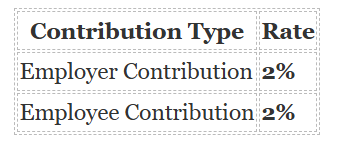
Employers are responsible for submitting both portions of the contribution.
However, the employee’s 2% share may be deducted from their monthly salary during payroll processing.
Example: EPF Contribution Calculation
Understanding the payroll impact is important for HR budgeting and manpower planning.
Example scenario:
Monthly salary: RM2,000
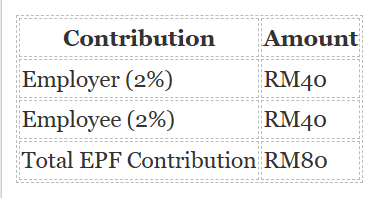
Large Workforce Example
If a company employs 100 foreign workers earning RM2,000 each:
-
Employer monthly EPF cost: RM4,000
-
Employer yearly EPF cost: RM48,000
This additional cost should be included in workforce planning and payroll forecasting.
When Must Employers Pay EPF Contributions?
EPF contributions must be submitted on or before the 15th day of the following month.
Example
Salary Month: October 2025
Contribution Payment Month: November 2025
Payment Deadline: Before or on 15 November 2025
Late payments may result in:
❌ Late payment penalties
❌ Dividend charges
❌ Compliance enforcement actions
Timely payroll processing is therefore essential to avoid statutory penalties.
Important EPF Payment Rules for Employers
HR teams should take note of several key contribution rules:
✔ Payments must be made in Ringgit Malaysia (RM)
✔ Cent values are not accepted and must be rounded to the nearest whole number
✔ Employers must ensure proper EPF registration for each worker
✔ Both employer and employee contributions must be submitted together
Failure to follow these requirements may result in submission rejection or compliance penalties.
HR Compliance Checklist for Employers
To ensure smooth compliance, HR departments should implement the following best practices.
1. Verify Work Pass Validity
Always confirm that foreign workers hold valid passports and work permits before payroll processing.
2. Register EPF Early
Do not delay EPF registration until the payroll closing period. Early registration reduces compliance risks.
3. Update Payroll Systems
Ensure payroll systems are configured to automatically calculate the 2% EPF contribution.
Automation reduces manual payroll errors.
4. Communicate with Employees
Foreign workers should be informed about the 2% deduction from their salary to prevent confusion or disputes.
5. Set Monthly Payment Reminders
Employers must remember the 15th of every month deadline.
6. Maintain Proper Documentation
Keep proper records such as:
-
Work permit copies
-
Passport details
-
EPF registration confirmation
-
Monthly contribution records
These documents may be required during labour inspections or compliance audits.
Why Employers Should Take This Requirement Seriously
Although the contribution rate is only 2%, failing to comply can result in serious consequences.
Employers may face:
❌ Financial penalties
❌ Backdated EPF contribution payments
❌ Legal enforcement actions
❌ Increased regulatory scrutiny
❌ Reputational damage
For businesses employing large numbers of foreign workers, non-compliance can quickly become a major financial liability.
How Pandahrms Helps Employers Manage EPF Compliance
Managing statutory payroll obligations can become complex when businesses employ both local and foreign workers.
An automated HR and payroll system helps reduce administrative workload and ensures compliance.
With Pandahrms, employers can:
✔ Automatically calculate EPF contributions
✔ Manage employee records and work permits
✔ Track statutory payroll deductions accurately
✔ Generate payroll reports for compliance and audits
✔ Reduce manual payroll errors
By automating statutory payroll processes, HR teams can focus more on workforce management and business growth rather than manual calculations.
FAQs: EPF for Foreign Workers in Malaysia
Is EPF mandatory for all foreign workers in Malaysia?
Yes. Since 1 October 2025, employers must contribute EPF for eligible foreign workers who hold valid work passes and are under 75 years old.
However, domestic workers are excluded under the Workmen’s Compensation Act 1952.
What is the EPF contribution rate for foreign workers?
The contribution rate is:
-
Employer: 2%
-
Employee: 2%
Employers must submit both portions to EPF during monthly payroll processing.
What happens if employers fail to contribute EPF?
Employers may face:
-
Late payment penalties
-
Dividend charges
-
Legal enforcement actions
-
Backdated contribution payments
Do employers need to contribute EPF if a foreign worker resigns mid-month?
Yes. EPF contributions must still be paid based on the wages earned during that month, even if the employee resigns before the end of the payroll period.
How can HR teams ensure smooth EPF compliance?
HR teams should:
✔ Verify valid work passes before payroll processing
✔ Configure payroll systems for automatic EPF calculations
✔ Set reminders for monthly payment deadlines
✔ Maintain accurate employee documentation
Implementing proper payroll systems and processes helps minimise compliance risks.