

EPF Non-Compliance in Malaysia Is No Longer “Just a Payroll Mistake”
Many employers think late EPF contributions are simply an administrative issue.
But in 2026, Malaysian authorities are sending a very different message.
More than 14,000 company directors in Malaysia have reportedly been barred from leaving the country due to unpaid Employees Provident Fund (EPF/KWSP) contributions.
At the same time:
- Thousands of civil lawsuits were filed
- Thousands of criminal actions were initiated
- Tens of thousands of employee complaints were recorded
This shows that EPF enforcement in Malaysia is becoming increasingly aggressive — and employers who fail to comply may face serious financial and legal consequences.
For HR teams, payroll departments, and SME business owners, this is a major reminder that statutory payroll compliance can no longer be handled casually.
What Happened?
According to EPF enforcement reports, as of December 2025:
- 14,332 company directors were placed under travel restrictions
- 3,530 civil suits were filed
- 6,011 criminal actions were initiated against employers and directors
These enforcement actions were linked to employers failing to remit EPF contributions deducted from employees’ salaries.
Even more concerning:
EPF reportedly received over 21,000 employee complaints related to contribution arrears in 2025 alone.
This highlights a growing issue in Malaysia’s payroll and statutory compliance landscape.
Why EPF Contributions Are So Important
EPF contributions are not optional.
Under the EPF Act 1991, employers are legally required to:
- Deduct employee EPF contributions correctly
- Contribute the employer portion
- Submit payments within the required timeline
- Maintain accurate payroll and contribution records
These contributions directly affect employees’:
- Retirement savings
- Financial security
- Dividend earnings
- Future withdrawals and benefits
When employers fail to remit EPF properly, employees are the ones most affected.
That is why EPF enforcement is taken seriously.
What Can Happen If Employers Fail to Pay EPF?
Many employers underestimate the consequences of unpaid EPF.
The risks are much bigger than late charges alone.
Potential Consequences Include:
Travel Restrictions
Company directors may be barred from leaving Malaysia.
Civil Lawsuits
EPF can initiate legal action to recover unpaid contributions.
Criminal Prosecution
Employers may face criminal proceedings under the EPF Act.
Late Payment Charges & Dividends
Additional penalties and dividend-related charges may apply.
Payroll Audits & Investigations
Poor payroll documentation increases audit risk.
Employee Complaints & Reputation Damage
Employees are increasingly checking EPF records via i-Akaun and filing complaints quickly when discrepancies appear.
Common Payroll Mistakes That Lead to EPF Issues
In many cases, employers do not intentionally avoid EPF payments.
The real issue is often weak payroll processes.
Common Problems Include:
- Manual payroll calculations
- Cash flow delays
- Wrong salary calculations
- Incorrect contribution rates
- Late payroll processing
- Poor HR documentation
- Missed submission deadlines
- Outsourced payroll errors
- Lack of payroll oversight
These problems are especially common among SMEs still relying on spreadsheets or fragmented payroll systems.
Why Employee Complaints Are Increasing
Today’s employees are more aware of their statutory rights than ever before.
With platforms like:
- KWSP i-Akaun
- Online payroll portals
- Digital payslips
- HR mobile apps
Employees can easily check whether EPF contributions were credited correctly.
If discrepancies appear, complaints can be lodged directly with EPF together with supporting documents such as:
- Payslips
- Employment letters
- Bank records
- Contribution statements
This means employers now face much higher visibility and accountability.

EPF Compliance Is Now a Major HR & Payroll Responsibility
Payroll today is no longer just about salary payments.
HR and payroll teams are now expected to ensure:
✔ Accurate statutory deductions
✔ Timely submissions
✔ Audit-ready payroll records
✔ Transparent employee documentation
✔ Proper contribution reconciliation
As enforcement tightens, compliance mistakes can quickly escalate into legal risks.
What Employers Should Do Immediately
1. Audit Your EPF Contribution Process
Review:
- submission timelines,
- payroll approvals,
- contribution calculations,
- and employee records.
2. Reconcile EPF Payments Regularly
Ensure:
- contributions submitted,
- amounts deducted,
- and employee EPF records all match correctly.
3. Stop Relying Fully on Manual Payroll
Manual spreadsheets increase the risk of:
- formula errors,
- missed deadlines,
- and incorrect deductions.
4. Keep Proper Payroll Documentation
Maintain:
- payslips,
- contribution schedules,
- payroll reports,
- and submission receipts.
Good records are critical during audits or disputes.
5. Use Automated Payroll Systems
Automation helps reduce:
- human error,
- late submissions,
- compliance gaps,
- and statutory calculation mistakes.
How Pandahrms Helps Employers Stay EPF Compliant
Pandahrms helps Malaysian businesses simplify payroll compliance through automation and accurate statutory processing.
With Pandahrms, employers can:
✔ Automatically calculate EPF contributions
✔ Generate payroll records accurately
✔ Reduce manual payroll mistakes
✔ Track employee salary data centrally
✔ Improve payroll transparency
✔ Maintain audit-ready payroll records
✔ Streamline monthly payroll processing
For growing SMEs, this significantly reduces payroll compliance risk.
Why This Matters More in 2026
Malaysia is moving rapidly toward:
- digital compliance,
- stronger payroll enforcement,
- e-Invoicing integration,
- and stricter employer accountability.
Government agencies are increasingly relying on:
- digital records,
- automated verification,
- and employee complaint systems.
This means payroll mistakes are becoming easier to detect.
The era of “manual workaround payroll” is slowly disappearing.
FAQs
Can company directors really be blocked from leaving Malaysia over unpaid EPF?
Yes. Under Section 39 of the EPF Act 1991, travel restrictions may be imposed against directors linked to unpaid EPF contribution cases.
Is unpaid EPF considered a criminal offence?
Employers who fail to remit EPF contributions may face civil action, criminal prosecution, penalties, or enforcement measures depending on the severity of the case.
How do employees check whether EPF contributions were paid?
Employees can review contribution records through the KWSP i-Akaun platform.
What causes most EPF payroll mistakes?
Common causes include manual payroll processing, incorrect calculations, late submissions, and weak payroll controls.
Can payroll software help reduce EPF compliance risk?
Yes. Automated payroll systems help reduce human error and improve statutory payroll accuracy.
Conclusion: EPF Compliance Is No Longer Optional
The recent enforcement actions against thousands of company directors send a very clear message:
EPF compliance is now a serious business risk.
For employers, payroll mistakes can lead to:
- legal action,
- financial penalties,
- reputational damage,
- and even travel restrictions.
As Malaysia tightens payroll and statutory enforcement, businesses must ensure their HR and payroll operations are accurate, timely, and compliant.
Simplify Payroll Compliance with Pandahrms
Still managing payroll manually?
That’s where compliance mistakes often begin.
Pandahrms helps Malaysian employers:
- automate payroll,
- calculate EPF accurately,
- reduce payroll errors,
- and improve statutory compliance.
Contact Pandahrms today to see how smarter payroll automation can help your business stay compliant in 2026.
References
Source:
New Straits Times. (2026, March 13). Over 14,000 directors barred from leaving Malaysia over EPF defaults. https://www.nst.com.my/business/corporate/2026/03/1396218/over-14000-directors-barred-leaving-malaysia-over-epf-defaults

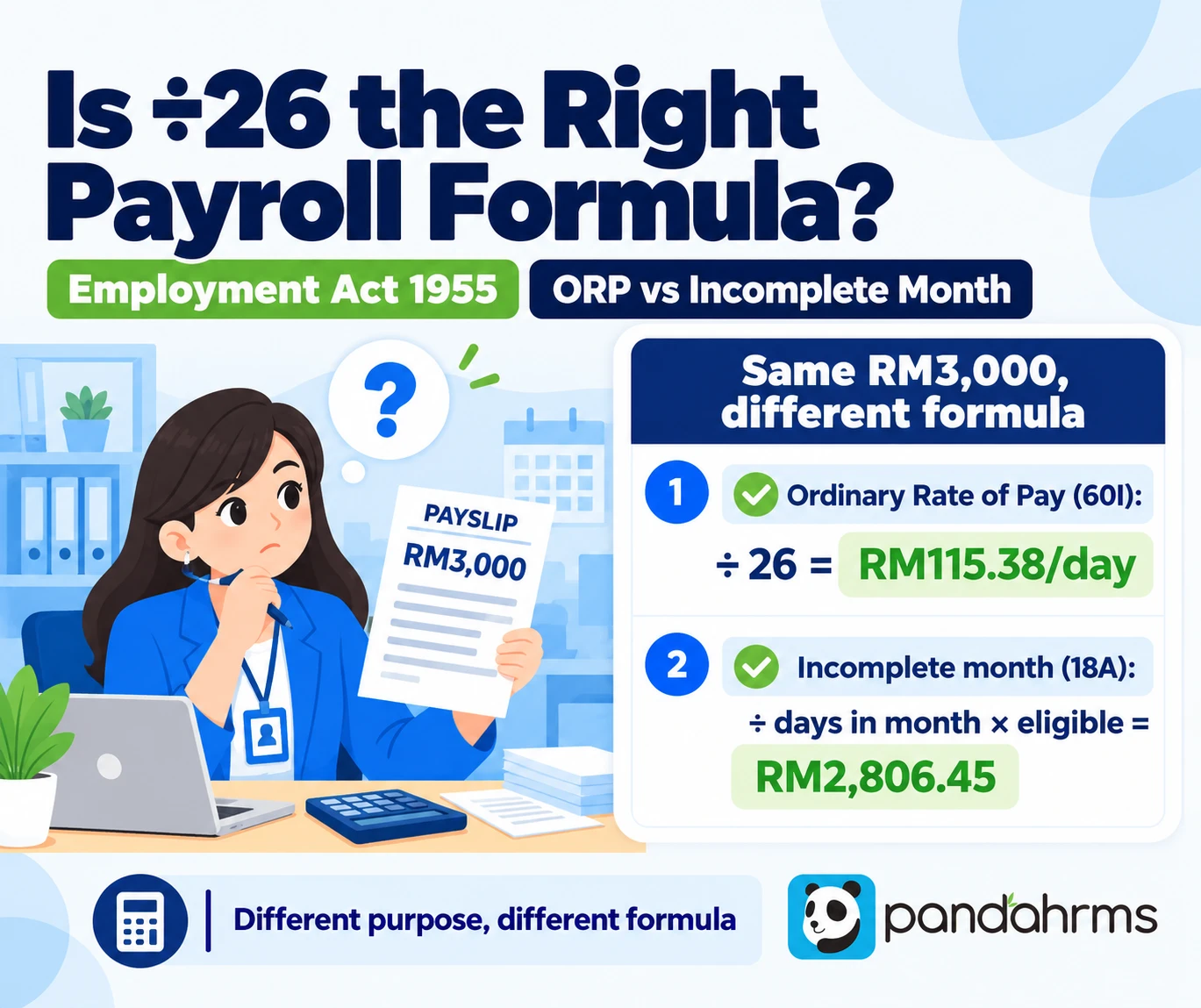
Ask a few HR people how to work out a [...]
-
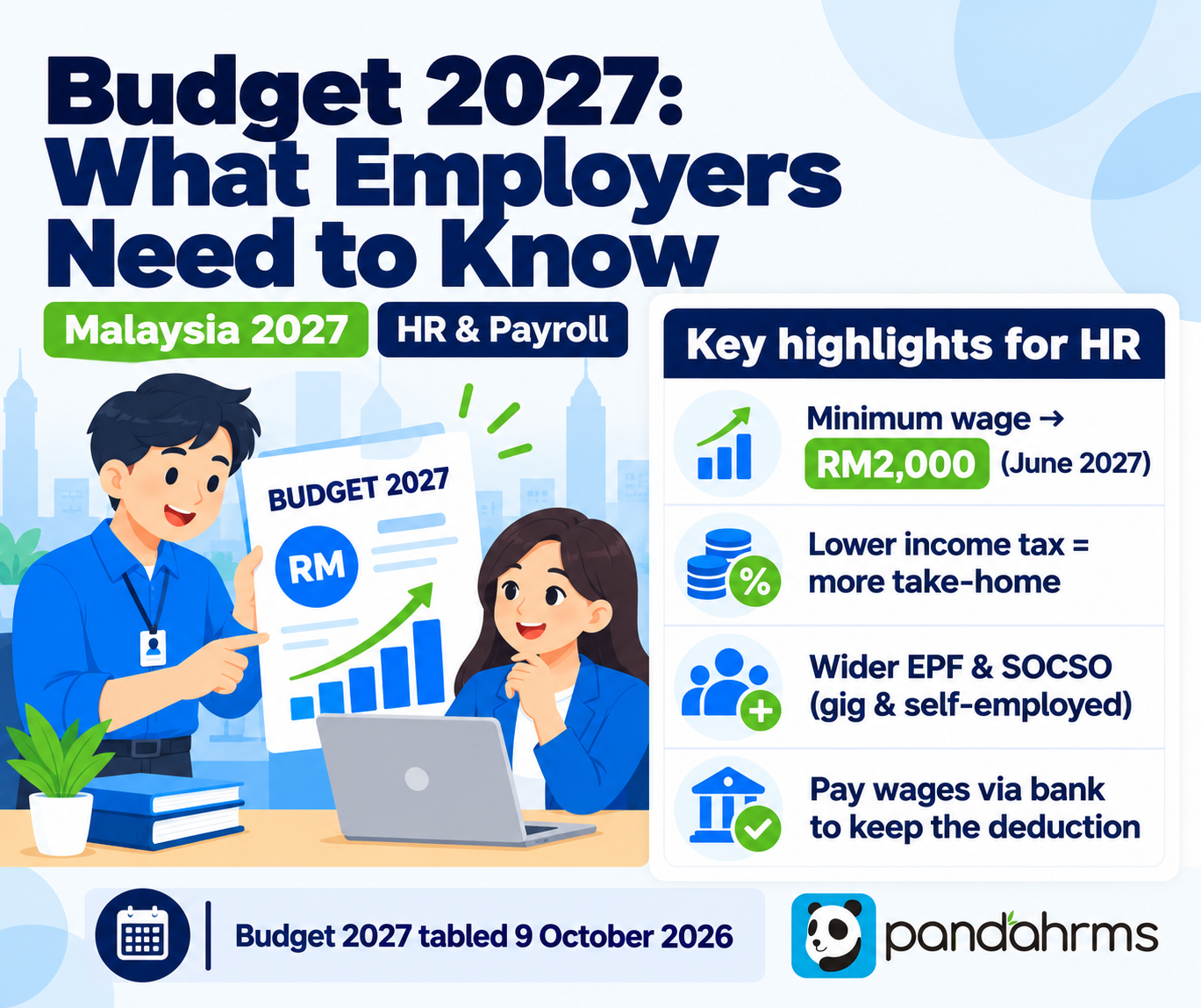
Malaysia’s Budget 2027 — a record RM459.8 billion, tabled on [...]
-
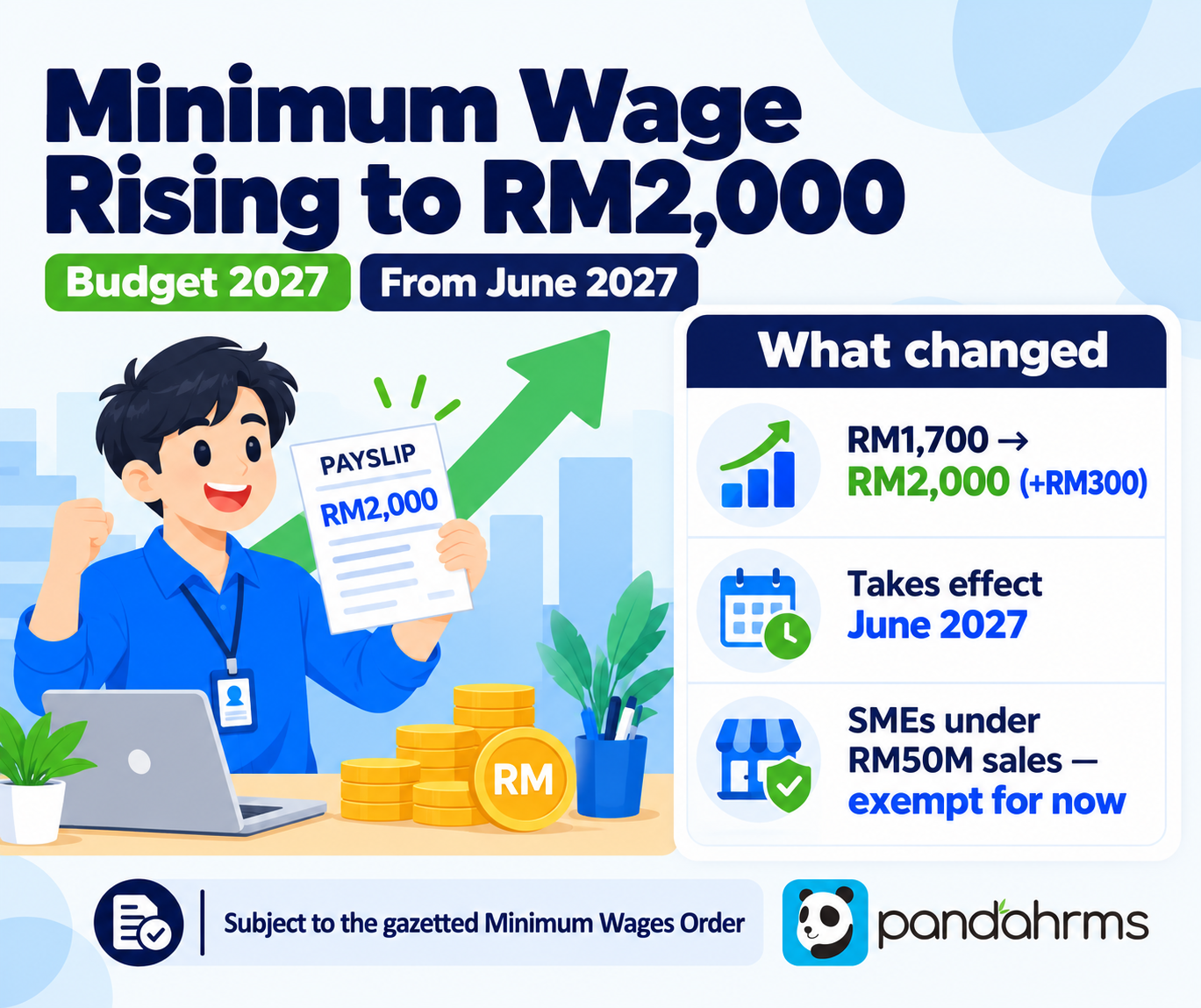
In Budget 2027, the government announced that Malaysia’s minimum wage [...]
-
Ask a few HR people how to work out a [...]
-
Malaysia’s Budget 2027 — a record RM459.8 billion, tabled on [...]
