The RM10,000 Fine Has Changed—But Employer Responsibilities Remain
The Malaysian government has revised the proposed penalties for employers who fail to report job vacancies to PERKESO (SOCSO) before recruiting employees.
Previously, employers could face a maximum fine of RM10,000 for failing to comply with the job vacancy reporting requirement under the Employment Insurance System Act.
Following feedback from employers, industry associations, and especially micro, small, and medium enterprises (MSMEs), the government has introduced a more progressive penalty structure that better reflects the severity and frequency of non-compliance.
While the fines have been reduced, one important point remains unchanged:
Employers are still required to report eligible job vacancies to PERKESO before hiring employees.
If you’re an employer, HR professional, or business owner, here’s what you need to know.
What Is PERKESO Job Vacancy Reporting?
Under Section 45F of the Employment Insurance System Act, employers are required to notify PERKESO in writing when they have a job vacancy or newly created position before recruiting employees.
The objective is to:
- Improve Malaysia’s employment services.
- Provide more accurate labour market information.
- Help job seekers connect with available employment opportunities.
- Strengthen the country’s workforce planning.
This reporting requirement forms part of Malaysia’s broader Employment Insurance System (EIS), which supports both employers and job seekers.
New Penalty Structure for 2026
The government has replaced the proposed flat maximum fine of RM10,000 with a tiered penalty system.
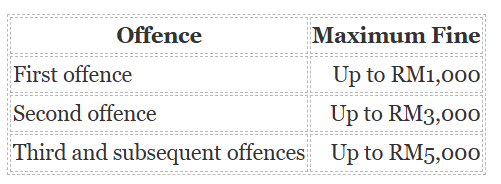
This progressive approach encourages voluntary compliance while recognising that administrative oversights—particularly first-time offences—should not automatically result in severe financial penalties.
Why Did the Government Revise the Penalties?
According to the Ministry of Human Resources, the original RM10,000 maximum fine received significant feedback from employers and industry groups.
Many businesses, particularly MSMEs, expressed concern that the proposed penalty was too harsh for administrative non-compliance, especially for employers making a first-time mistake.
The revised penalty structure aims to:
- Encourage employers to comply voluntarily.
- Balance enforcement with practical business realities.
- Reduce unnecessary financial burdens on smaller businesses.
- Continue improving compliance without discouraging employers.
The amendment reflects the government’s effort to maintain effective enforcement while supporting Malaysia’s business community.
Does This Mean Employers No Longer Need to Report Vacancies?
No.
This is one of the biggest misconceptions surrounding the announcement.
The amendment does not remove the reporting requirement.
Instead, it only changes how employers are penalised if they fail to comply.
Employers are still legally responsible for notifying PERKESO of eligible job vacancies before recruitment.
In other words:
- ✔ The reporting obligation remains.
- ✔ The law remains in force.
- ✔ Only the penalty structure has changed.
Why HR Teams Should Pay Attention
Many HR departments focus heavily on payroll compliance, statutory contributions, and employee records.
However, recruitment compliance is becoming increasingly important as employment regulations continue to evolve.
Failing to understand statutory reporting obligations may expose businesses to unnecessary compliance risks.
HR teams should ensure they have processes in place to:
- Report eligible job vacancies when required.
- Maintain proper recruitment documentation.
- Stay updated on changes to employment legislation.
- Review internal HR compliance procedures regularly.
Being proactive helps organisations avoid penalties while strengthening overall governance.
What Employers Should Do Now
Following the latest amendment, employers should:
✅ Review whether your organisation is required to report job vacancies to PERKESO.
✅ Understand the reporting requirements under Section 45F of the Employment Insurance System Act.
✅ Establish a consistent recruitment and compliance process.
✅ Keep HR teams informed about legislative updates.
✅ Ensure recruitment records are properly documented.
Compliance is always easier—and less costly—than dealing with enforcement action later.
How Pandahrms Helps Employers Stay HR Compliant
Managing HR compliance involves much more than processing payroll.
With Pandahrms, employers can simplify day-to-day HR operations through:
✔ Centralised employee records
✔ Recruitment and employee data management
✔ Attendance and workforce tracking
✔ Payroll automation
✔ Statutory contribution management
✔ HR reports and compliance documentation
As employment regulations continue to evolve, having accurate HR records and streamlined processes helps organisations respond more efficiently to new compliance requirements and reduce administrative risks.
Conclusion
The government’s decision to introduce a progressive penalty structure is welcome news for employers, particularly MSMEs.
However, businesses should not mistake lower fines for reduced responsibilities.
The legal requirement to report eligible job vacancies to PERKESO remains unchanged.
For HR professionals, this serves as another reminder that compliance extends beyond payroll and statutory deductions. Keeping up with regulatory changes, maintaining accurate HR records, and implementing clear internal processes are essential for reducing compliance risks and supporting sustainable business growth.
Frequently Asked Questions (FAQ)
1. Do employers still need to report job vacancies to PERKESO?
Yes. The legal obligation remains in force. The latest amendment only changes the penalty structure for non-compliance.
2. What is the new maximum fine?
The revised penalties are:
- First offence: Up to RM1,000
- Second offence: Up to RM3,000
- Third and subsequent offences: Up to RM5,000
3. Why did the government reduce the penalties?
The revision followed feedback from employers and MSMEs that the proposed RM10,000 maximum fine was too severe for first-time administrative offences.
4. Does this amendment affect payroll?
No. The amendment relates to job vacancy reporting under the Employment Insurance System Act and does not change payroll calculations or statutory contribution rates.
Sources
New Straits Times. (2026, June 30). Govt drops RM10,000 fine for unreported job vacancies, introduces tiered penalties.