New Employee Joined Mid-Year? Don’t Forget Borang TP3
Hiring a new employee is more than preparing an offer letter and setting up payroll.
One of the most commonly overlooked onboarding documents in Malaysia is Borang TP3. When employees change jobs during the same tax year, failing to collect this form can result in inaccurate Potongan Cukai Bulanan (PCB) calculations, payroll discrepancies, and unexpected tax adjustments later.
For HR and payroll teams, understanding how Borang TP3 works is essential to ensure tax compliance and accurate salary processing.
This guide explains what Borang TP3 is, who needs it, when it should be submitted, and how employers should manage it in 2026.
What Is Borang TP3?
Borang TP3 is a tax declaration form issued by LHDN for employees who join a new employer during the same calendar year after receiving employment income from a previous employer.
The purpose of the form is to provide the new employer with information about:
- Previous employment income
- PCB already deducted
- EPF contributions
- Zakat deductions
- Tax relief information relevant to PCB calculations
This allows the new employer to calculate monthly tax deductions more accurately based on the employee’s cumulative annual income.
Without TP3 information, payroll calculations may not reflect the employee’s actual tax position for the year.
Why Is Borang TP3 Important?
PCB in Malaysia is calculated using cumulative annual income.
When an employee changes jobs, the new employer may not know:
- How much income the employee has already earned
- How much PCB has already been deducted
- Whether tax reliefs have already been applied
As a result:
- Employees may pay too much PCB
- Employees may pay too little PCB
- Tax balances may arise during annual tax filing
Collecting TP3 helps reduce these issues and improves payroll accuracy.

Who Needs to Submit Borang TP3?
Generally, TP3 should be submitted when:
Employee Has Previous Employment in the Same Year
Examples:
- Resigned from Company A in March and joined Company B in April
- Completed a contract position and started a new permanent role
- Switched employers during the same calendar year
Employee Received Employment Income Earlier in the Year
Even if employment lasted only a few months, the previous income may affect PCB calculations.
Who Does Not Need Borang TP3?
TP3 is generally not required for:
Fresh Graduates
Employees entering the workforce for the first time with no prior employment income.
First Employment of the Year
Employees who start work at the beginning of the year and have not worked elsewhere previously.
Internal Transfers
Employees moving within the same legal employer entity where payroll records remain continuous.
When Should Employees Submit Borang TP3?
Best practice is for employees to submit TP3 immediately after joining the company.
HR teams should request TP3 during onboarding together with:
- EPF registration information
- SOCSO information
- Income tax number
- Personal information forms
- Bank account details
Early submission helps payroll teams process PCB correctly from the first salary cycle.
Information Required in Borang TP3
Employees may need to provide:
Personal Information
- Full name
- NRIC number
- Income tax reference number
Previous Employer Information
- Company name
- Employment period
- Date employment ended
Previous Employment Income
Including:
- Salary
- Allowances
- Bonuses
- Taxable benefits
PCB Already Deducted
This allows payroll to consider taxes already paid earlier in the year.
EPF Contributions
Year-to-date EPF contributions may affect PCB calculations.
Zakat Deductions
Where applicable.
What Documents Should HR Request?
To support TP3 information, employers should request:
- Latest payslip from previous employer
- Year-to-date payroll summary (if available)
- EA Form (if available)
- TP1 Form (if employee wishes to claim tax reliefs through PCB)
Having supporting documents helps ensure payroll data is entered correctly.
How HR Should Process Borang TP3
Step 1: Collect TP3 During Onboarding
Include TP3 in your standard new employee onboarding checklist.
Step 2: Verify Supporting Documents
Review:
- Income figures
- PCB amounts
- EPF contributions
to ensure consistency.
Step 3: Update Payroll Records
Enter previous employment information into your payroll system before processing salary.
Most modern payroll systems include fields for:
- Previous employer income
- Previous PCB deductions
- Previous EPF contributions
Step 4: Calculate PCB Correctly
Once the information is entered, PCB calculations can better reflect the employee’s total annual income position.
Step 5: Retain Records
Employers should keep TP3 records together with payroll documentation for future reference and audit purposes.
Common TP3 Mistakes Employers Make
Not Collecting TP3
Many employers only realise TP3 is missing after employees question their PCB deductions.
Collecting TP3 Too Late
Late collection may require payroll adjustments in later months.
Ignoring Previous Income Information
Even when TP3 is submitted, some payroll teams forget to update the payroll system.
Confusing TP1 and TP3
These forms serve different purposes.
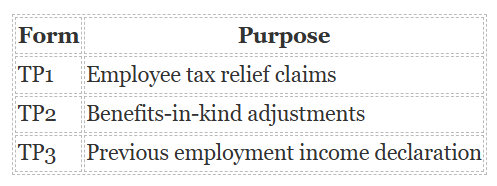
Employers should understand the difference and collect the appropriate forms.
HR Best Practices for 2026
To improve payroll compliance:
Add TP3 to Every Onboarding Checklist
If an employee joins after January, always ask whether they had previous employment during the year.
Train Payroll Teams
Ensure payroll administrators know when TP3 is required.
Review Mid-Year Joiners
Conduct periodic payroll reviews to identify employees who may have joined without submitting TP3.
Use Payroll Software
A payroll system helps track previous employment income, PCB deductions, and statutory records more accurately.
Frequently Asked Questions
Is Borang TP3 mandatory?
Employees who received employment income from a previous employer during the same tax year should provide TP3 to their new employer to facilitate accurate PCB calculations.
What happens if TP3 is not submitted?
PCB calculations may not accurately reflect the employee’s overall tax position for the year, which could lead to tax adjustments during annual tax filing.
Can TP3 be submitted after joining?
Yes. Employers may still update payroll records after employment begins, although earlier submission is preferable.
Does TP3 apply to freelancers?
No. TP3 is generally used for employment income. Self-employed income is handled separately through individual tax filing.
Final Thoughts
Borang TP3 may seem like a small onboarding document, but it plays an important role in payroll accuracy and tax compliance.
For employers, collecting TP3 helps ensure correct PCB calculations and reduces payroll-related tax issues later in the year.
For employees, it helps avoid unnecessary tax adjustments and improves the accuracy of monthly tax deductions.
As part of your 2026 onboarding process, make TP3 one of the essential documents every mid-year joiner submits before payroll is processed.
Simplify Payroll & PCB Management with Pandahrms
Managing TP3 forms, PCB calculations, EPF, SOCSO, EIS, and employee onboarding manually can be time-consuming and prone to errors.
With Pandahrms Payroll, HR teams can streamline payroll processing, maintain accurate employee records, and stay compliant with Malaysian statutory requirements.
Book a 35-minute demo with Pandahrms to streamline your payroll and compliance processes.