Hiring Expatriates in Malaysia Just Became More Complicated
Malaysia has introduced significant changes to its Employment Pass (EP) framework effective 1 June 2026, affecting salary requirements, pass validity periods, and expatriate workforce planning obligations.
For many employers, this is more than just an immigration update.
The revised Employment Pass rules may impact:
- Expatriate hiring budgets
- Employment Pass renewal approvals
- Workforce localisation plans
- Internal talent development strategies
- Long-term manpower planning
Employers who fail to prepare early may face renewal complications, increased employment costs, or difficulties retaining foreign talent.
If your company currently employs expatriates or plans to recruit foreign professionals, understanding the new Employment Pass requirements is essential.
What Changed Under Malaysia’s Employment Pass Framework in 2026?
Effective 1 June 2026, employers must comply with:
- Higher minimum salary requirements
- Revised Employment Pass validity periods
- Mandatory succession plans for selected pass categories
- Increased emphasis on local talent development
These requirements apply to both new Employment Pass applications and renewals submitted after the implementation date.
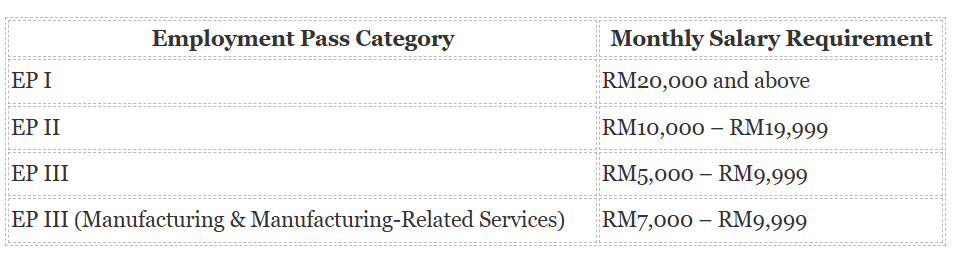
New Employment Pass Salary Requirements (Effective 1 June 2026)
One of the most significant changes is the revision of minimum salary thresholds.
Why This Matters for Employers
Many organisations only review expatriate salaries shortly before renewal.
This creates risk.
An expatriate employee who previously qualified under an Employment Pass category may no longer meet the revised salary requirements when renewal is due.
Employers should review:
- Existing expatriate salary packages
- Upcoming renewal dates
- Future compensation planning
- Budget forecasts
well before Employment Pass expiry dates.
Revised Employment Pass Duration Limits
Malaysia has also introduced clearer validity periods for Employment Pass holders.
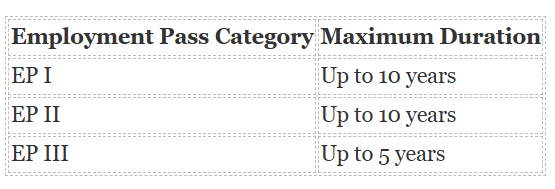
The longer validity period may reduce administrative burden for some employers while providing greater workforce planning certainty.
Mandatory Succession Plans: A New Requirement Employers Cannot Ignore
Perhaps the biggest policy change is the introduction of mandatory succession planning requirements.
Which Categories Are Affected?
Succession plans are now required for:
- EP II holders
- EP III holders
The requirement currently does not apply to EP I holders.
What Is a Succession Plan?
A succession plan outlines how an expatriate employee’s knowledge, expertise, and responsibilities will eventually be transferred to Malaysian employees.
Employers may be expected to demonstrate:
- Knowledge transfer programmes
- Employee mentoring initiatives
- Skills development plans
- Internal promotion pathways
- Workforce localisation efforts
- Leadership development programmes
The objective is to ensure that specialised knowledge does not remain solely with expatriate employees.
How the New Rules Affect HR Teams
The Employment Pass changes are not simply an immigration issue.
They create new responsibilities for HR departments.
HR teams may now need to manage:
- Employment Pass expiry tracking
- Salary eligibility reviews
- Succession planning documentation
- Knowledge transfer records
- Employee development plans
- Renewal preparation timelines
Without a structured process, important compliance requirements can easily be overlooked.
Common Employment Pass Mistakes Employers Should Avoid
Many compliance issues occur because employers wait until renewal season before reviewing expatriate arrangements.
Common mistakes include:
Waiting Too Long to Review Salaries
Salary adjustments may require budgeting approval and internal review.
Last-minute planning can create renewal delays.
No Documented Succession Planning
Employers may assume informal coaching is sufficient.
However, structured documentation may become increasingly important under the revised framework.
Poor Employment Pass Tracking
Some organisations still rely on spreadsheets to monitor expiry dates.
This increases the risk of missed renewals and compliance issues.
Over-Reliance on Expatriate Expertise
Companies without local talent development programmes may struggle to demonstrate meaningful knowledge transfer efforts.
Employment Pass Compliance Checklist for Employers
Before submitting a new Employment Pass application or renewal, employers should:
Workforce Review
- Review expatriate salary packages
- Verify Employment Pass category eligibility
- Identify upcoming renewal dates
- Evaluate workforce budgets
Succession Planning
- Identify Malaysian successors where appropriate
- Develop employee training plans
- Document knowledge transfer activities
- Review leadership development programmes
HR Administration
- Update employee records
- Monitor Employment Pass expiry dates
- Maintain supporting documentation
- Prepare renewal timelines early
Why Workforce Planning Is Becoming More Important
The revised Employment Pass framework reflects Malaysia’s broader focus on:
- Local talent development
- Workforce sustainability
- Skills transfer
- Long-term economic competitiveness
Employers can no longer treat Employment Pass renewals as a purely administrative exercise.
Future workforce planning must balance:
- Access to specialised foreign expertise
- Local employee development
- Compliance obligations
- Business continuity
Companies that start planning early will likely face fewer disruptions during future renewals.
How Pandahrms Helps Employers Manage Workforce Records More Efficiently
As workforce regulations become more structured, HR teams need better visibility over employee information and compliance timelines.
Pandahrms helps employers centralise:
- Employee records
- Employment documentation
- Leave management
- Attendance tracking
- Payroll information
- Workforce reporting
By keeping employee data organised in one platform, HR teams can improve visibility, reduce administrative workload, and manage workforce records more efficiently as compliance requirements continue to evolve.
Frequently Asked Questions (FAQs)
1. Do the new Employment Pass rules apply to renewals?
Yes. Applications and renewals submitted on or after 1 June 2026 must comply with the revised requirements.
2. Which Employment Pass categories require succession plans?
EP II and EP III holders require succession plans under the revised framework.
3. Will employers need to increase expatriate salaries?
Some employers may need to review and adjust salary packages if current remuneration no longer meets the revised Employment Pass thresholds.
4. Why are succession plans now required?
The policy aims to strengthen knowledge transfer, workforce localisation, and long-term talent development within Malaysian organisations.
Conclusion
Malaysia’s revised Employment Pass framework represents one of the most significant expatriate employment policy updates in recent years.
While the higher salary thresholds and succession planning requirements create additional responsibilities for employers, they also encourage stronger workforce planning and employee development practices.
Organisations that review expatriate arrangements, renewal schedules, and succession planning initiatives early will be better positioned to remain compliant and minimise operational disruptions in the future.
Simplify HR Administration with Pandahrms
Managing employee records, workforce documentation, payroll, leave, and attendance becomes increasingly important as employment regulations evolve.
Book a 35-minute demo with Pandahrms to discover how a centralised HR system can help streamline workforce management and improve HR operational efficiency.